

I used to think I was just a tired person. Like, permanently tired. I’d wake up groggy, hit a wall around 3 PM at my desk, and get these dull headaches that I blamed on “screen time” or “stress” or whatever excuse sounded reasonable that week.
Turns out I was just… thirsty. For years.
It sounds almost too simple to be true, but the day I actually started tracking my water intake, half of my “mystery fatigue” disappeared within a week. I’m not exaggerating. And that’s really why I wanted to write this — not to lecture anyone about hydration like it’s some ancient secret, but to share what actually happened when I started paying attention to drinking water like it mattered.
How I Realized I Was Basically Running on Empty
It started with a really unglamorous moment. I was at my kitchen counter, mid-afternoon, staring into the fridge for the third time in an hour, convinced I was hungry. My partner walked by and said, “Have you had any water today?”
I genuinely had to think about it. It was 4 PM. I’d had two coffees and a sparkling water. That was it.
That question kind of stuck with me. Because I realized I’d been treating drinking water as an afterthought — something that happened accidentally when I was already thirsty, not something I did on purpose. And by the time you feel thirsty, you’re already a little dehydrated. Nobody tells you that part.
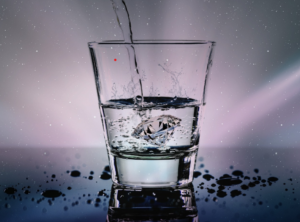
Why Drinking Water Actually Matters (Beyond the Obvious)
Everyone knows the basic line: “drink more water, it’s good for you.” But nobody really explains why it makes such a visible difference day to day. Here’s what I noticed once I got serious about it:
My energy stopped crashing. That 3 PM slump I used to blame on lunch? Mostly dehydration. Once I made drinking water a consistent habit through the morning, the crash got noticeably smaller.
My skin looked less tired. I’m not going to pretend water alone gave me glowing skin — skincare products do that work too — but the dullness and dryness I used to deal with eased up a lot.
My headaches became rare. I used to get a low headache almost every other day. Once I started drinking water consistently, they became occasional instead of routine.
My digestion improved. This one surprised me the most. Being under-hydrated messes with digestion more than people realize.
None of this is magic. It’s just your body finally getting what it needed all along.
The Mistakes I Made (So You Don’t Have To)
I want to be honest here, because I didn’t get this right immediately. A few things I did wrong at first:
- I chugged a huge glass all at once instead of spreading it out. Your body can’t absorb a liter in one go — most of it just goes straight through you. Sipping steadily works way better than binge-drinking water.
- I confused caffeine and soda with hydration. Coffee and tea do count a little, but they’re not a replacement for actual water, especially if you’re drinking a lot of caffeine.
- I ignored the mornings. I used to only think about drinking water in the afternoon, which meant I was already behind for hours.
- I thought thirst was a reliable signal. It’s not. By the time you’re thirsty, your hydration level has already dipped.
Fixing these small habits made a bigger difference than any fancy hydration trick I tried later.
Also Read This: 7 Signs Your Body May Need More Rest
My Step-by-Step Approach to Actually Drinking Enough Water
This is the exact system I use now. Nothing complicated, just consistent.
1. Start the day with a full glass before coffee.
Right when I wake up, before anything else, I drink one full glass of water. This alone fixed a lot of my morning grogginess.
2. Keep a marked water bottle nearby.
I use a simple 1-liter bottle with time markers on the side (you can find these on Amazon for under $15). It sounds gimmicky, but seeing “you should be here by noon” actually works on my brain.
3. Use an app if you’re forgetful.
I tried a few hydration reminder apps — Water llama and Plant Nanny were my favorites — and they genuinely helped in the early weeks when I kept forgetting. Eventually I didn’t need reminders anymore because the habit stuck.
4. Pair drinking water with existing habits.
I drink a glass before every meal and after every bathroom break. Attaching it to something I already do made it automatic instead of something I had to remember on its own.
5. Add flavor if plain water bores you.
Some days I just don’t feel like drinking water. On those days, a few cucumber slices or a splash of lemon makes it way more appealing without adding sugar.
6. Track it loosely, not obsessively.
I don’t measure every sip. I just glance at my bottle and ask, “Am I roughly where I should be?” That’s enough.
A Real Example From My Week
Last month I had a brutal three-day headache streak. I assumed it was screen fatigue, so I cut back on my laptop time — no change. Then I actually checked my water bottle and realized I’d barely touched it in two days because I was slammed with work.
I forced myself to finish the bottle that afternoon. By evening, the headache was noticeably lighter. By the next morning, gone.
That was the moment drinking water stopped being “a healthy habit I should do” and became “a thing that directly affects how I feel today.”

Common Mistakes People Make With Hydration
A few patterns I see a lot with friends and coworkers:
- Only drinking water when exercising. Your body needs it daily, not just during workouts.
- Assuming juice or soda counts the same. Sugary drinks don’t hydrate you the same way, and some can actually work against you.
- Waiting until you’re thirsty. Again — thirst means you’re already behind.
- Drinking a ton at night instead of spreading it through the day. This just leads to disrupted sleep from bathroom trips, and it doesn’t hydrate you any better than steady sipping.
- Ignoring hot weather or illness. Your water needs go up during heat, fever, or when you’re sick, and most people don’t adjust for it.
None of these are huge failures — they’re just habits nobody explained clearly.
How Much Water Do You Actually Need?
I’m not going to throw out a strict number because it genuinely depends on your body size, activity level, and climate. The old “8 glasses a day” rule is a decent starting point, but it’s not gospel.
A simpler way to check: look at your urine color. Pale yellow generally means you’re doing fine. Dark yellow is your body telling you to catch up. It’s not scientific in a lab-report sense, but it’s a practical daily check that works.
Final Thoughts
I didn’t expect something as basic as drinking water to change how I feel day to day, but it genuinely did. Less fatigue, fewer headaches, better focus, smoother digestion — all from a habit that costs nothing and takes almost no effort once it’s built.
If you’re dealing with unexplained tiredness, brain fog, or headaches and you’ve already ruled out the obvious stuff, it might be worth checking your water intake before anything else. It sounds too simple, but sometimes the simple thing is the thing you’ve been overlooking the whole time.
Start small. One glass in the morning. A bottle you actually carry around. A reminder app if you need it. That’s really all it takes to build a habit around drinking water that sticks — and once it does, you’ll probably wonder how you went so long without it.

[…] You may like: The Importance of Drinking Enough Water Every […]