

I remember the exact night it hit me. It was almost 1 a.m., I had work in six hours, and I was still lying in bed scrolling through Instagram Reels. Nothing important. Just one video after another. When I finally put the phone down, I felt weirdly empty — not tired, not relaxed, just… flat. That was the night I started paying attention to what social media was actually doing to my mental health.
If you’ve ever closed an app and felt worse than before you opened it, you already know what I’m talking about.
This isn’t going to be one of those articles that tells you to “just delete your accounts and go touch grass.” That advice sounds nice but it’s not realistic for most of us — social media is where we talk to friends, find jobs, follow news, and yes, waste time too. The goal here is to understand what’s actually happening to your mental health when you use these platforms, and what you can do about it without throwing your phone in a lake.
Why Social Media Messes With Your Head More Than You Realize
For a while, I genuinely believed I was just “bad at managing my time.” Turns out, that wasn’t the full story. These apps are built by teams of very smart people whose entire job is to keep you scrolling. The endless feed, the notification pings, the little red dot — none of that is accidental.
Every time you get a like or a comment, your brain gets a small dopamine hit, similar to what happens with other habit-forming behaviors. That’s not me being dramatic — it’s just how our brains respond to unpredictable rewards. And when that reward system gets triggered constantly, your mental health starts taking little hits you don’t even notice at first.
I noticed mine showing up as:
- Comparing my life to people’s highlight reels
- Feeling anxious if I didn’t check notifications quickly
- Losing interest in hobbies I used to enjoy because scrolling felt “easier”
- Sleeping worse because I was on my phone right before bed
None of these felt like a big deal individually. Together, they quietly chipped away at my mood.
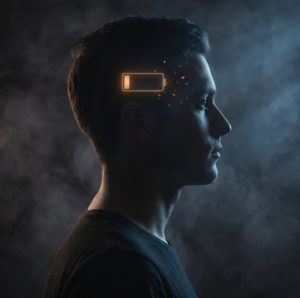
The Comparison Trap Is Real (And It Got Me Too)
I’ll be honest about a mistake I made for almost two years. I followed a bunch of fitness influencers thinking it would “motivate” me. Instead, I ended up feeling worse about my own body every single day. I wasn’t seeing reality — I was seeing edited photos, good lighting, and best-angle content, but my brain treated it like a fair comparison.
This is one of the most well-documented ways social media affects mental health. Constant exposure to curated, filtered versions of other people’s lives creates a distorted sense of “normal.” You start measuring your real, messy life against someone else’s highlight reel, and that gap can quietly damage your mental health over time.
Once I unfollowed those accounts and replaced them with real people I actually knew, or accounts that felt more genuine, the difference in how I felt was noticeable within a couple of weeks.
Step-by-Step: How I Started Protecting My Mental Health Without Quitting Social Media
I didn’t do this all at once. It was gradual, and honestly some of it took trial and error. Here’s what actually worked for me.
Step 1: Track your usage for one week before changing anything
Most phones already have this built in — Screen Time on iPhone, Digital Wellbeing on Android. I was shocked to see I was spending almost 3 hours a day on social apps. You can’t fix a problem you haven’t actually measured.
Step 2: Turn off non-essential notifications
I left notifications on for texts and calls, but turned off every social media alert. This single change reduced how often I picked up my phone “just to check” by a huge margin.
Step 3: Set app timers, but make them mildly annoying
Apps like Instagram and TikTok let you set daily limits. I set mine, and when it popped up I let it interrupt me instead of clicking “ignore limit,” which is way too tempting otherwise.
Step 4: Curate your feed on purpose
Go through who you follow and ask yourself honestly — does this account make me feel good or bad after I see it? I unfollowed a lot of “aspirational” accounts and followed more accounts about things I actually enjoy, like cooking and hiking. My feed became a place I enjoyed instead of dreaded.
Step 5: Create phone-free windows
I made the first 30 minutes after waking up and the last 30 minutes before sleep phone-free. This one change alone improved my sleep and my mood noticeably. I use an actual alarm clock now instead of my phone, which removes the temptation completely.
Step 6: Replace scrolling with something small
When I felt the urge to scroll out of boredom, I started reaching for a book or going for a short walk instead. Not every time — I’m not perfect — but often enough that it became a real alternative.
You may like: The Importance of Drinking Enough Water Every
Real Examples From People I Know
A friend of mine, who works a desk job, told me she started feeling anxious every Sunday night because of “productivity influencers” showing off their morning routines. She felt like she was constantly failing by comparison. Once she muted that whole category of content, her Sunday anxiety basically disappeared.
Another friend used Twitter (now X) heavily for news and noticed his mood tanking every time he checked it, especially during heavy news cycles. He switched to checking news once a day through a dedicated app instead of doom-scrolling, and it made a real difference to his day-to-day mental health.
These aren’t extreme cases. They’re normal people dealing with normal social media habits that quietly affected how they felt.
Common Mistakes People Make (I Made Most of These)
Mistake 1: Trying to quit cold turkey
I tried deleting Instagram completely once. I lasted four days and reinstalled it out of boredom and FOMO. Gradual changes stuck way better than an all-or-nothing approach.
Mistake 2: Ignoring sleep
Scrolling in bed felt harmless, but the blue light and mental stimulation made it harder to fall asleep, and poor sleep directly affects mental health the next day.
Mistake 3: Following accounts out of habit, not enjoyment
A lot of us follow people because we “used to” like their content, not because we still do. Feeds need regular clean-ups.
Mistake 4: Not noticing the mood connection
For a long time I didn’t connect my irritability to my phone usage. Once I started noticing the pattern, it became much easier to make changes.
Mistake 5: Using social media as the only form of connection
Texting a friend a meme isn’t the same as an actual conversation. Real connection matters more for mental health than online interaction, even though both have their place.

What Actually Helped My Mental Health Long-Term
Honestly, the biggest shift wasn’t any single app or setting — it was becoming aware of how I felt during and after using social media. Once I started noticing patterns, I could make small adjustments instead of blaming myself for “not having willpower.”
Apps like Instagram, TikTok, and Twitter aren’t inherently bad for your mental health. It’s more about how mindlessly we use them versus how intentionally we use them. There’s a big difference between scrolling for 10 minutes because you enjoy a specific creator’s content, and scrolling for an hour because you’re avoiding something else in your life.
If you’re noticing your mood dipping after time online, comparing yourself constantly, or feeling anxious without your phone nearby, those are worth paying attention to. Small, realistic changes — not extreme ones — are usually what stick.
Your mental health deserves the same attention you give to your physical health. Social media isn’t going anywhere, but the way you interact with it is completely within your control, one small habit at a time.

[…] You May Like: How Social Media Can Affect Your Mental Health […]